
The memory feels just like yesterday when we saw hordes of men, women, and young children walk the streets of the national capital barefoot, with their minimal possessions tied to their backs or on their heads. Nowhere to go, no sense of direction, no unity of purpose, just one goal: survival.
These were the laborers who migrated from their home states in search of livelihood but, amidst a pandemic, found themselves jobless, homeless, in despair, and hopeless.
Scenes like these are a dark chapter, forever embedded in the history of our great nation. A four-hour window and swoosh, a long gloomy lockdown. The already cumbersome structural problems were doubled down by COVID and a rapidly declining economy. India aimed to be a $5 trillion economy, but its GDP plummeted to -24% with no hope whatsoever.
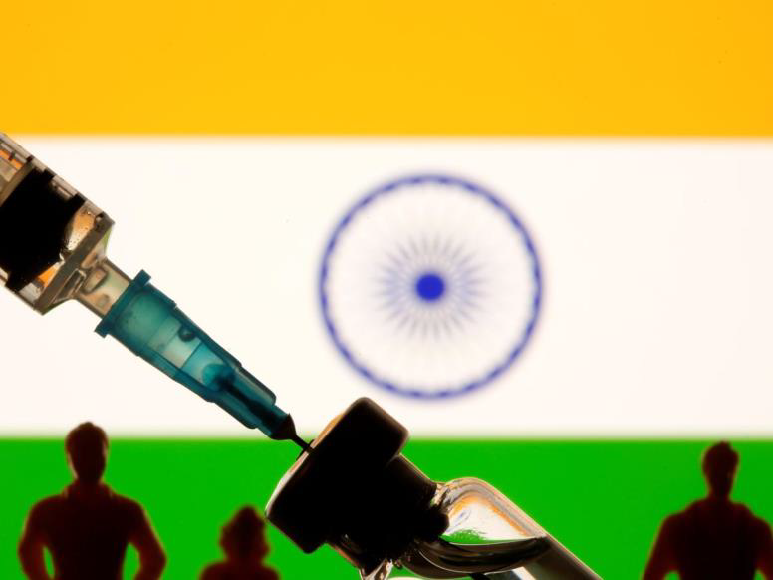
The exodus was so immense that even in the 21st century, Moses would’ve been bamboozled. Jokes apart, this inconvenience (mildly put) exposes tons of wrong decisions and miscalculations but most importantly uncovered a ginormous policy failure, especially from an economic point of view.
Recently, a BBC report uncovered through multiple RTIs that neither the NITI Aayog nor any other advisory body was consulted before imposing the strict lockdown last year. These RTIs were either forwarded to the Home Ministry which denied answering in the name of national security or were partly answered, concluding that no such meeting, consultation, or discussion took place where a body of experts suggested the PMO impose a lockdown. The depths of economic damage alone cannot be put into a single article.
The hospitality and tourism sectors were among the hardest hit, but real estate and automobile sectors were totally annihilated, such that indemnification would take decades.
In hindsight, the following measures could have been (and should be) taken by the policymakers:
1. Reserve Energy Reserves
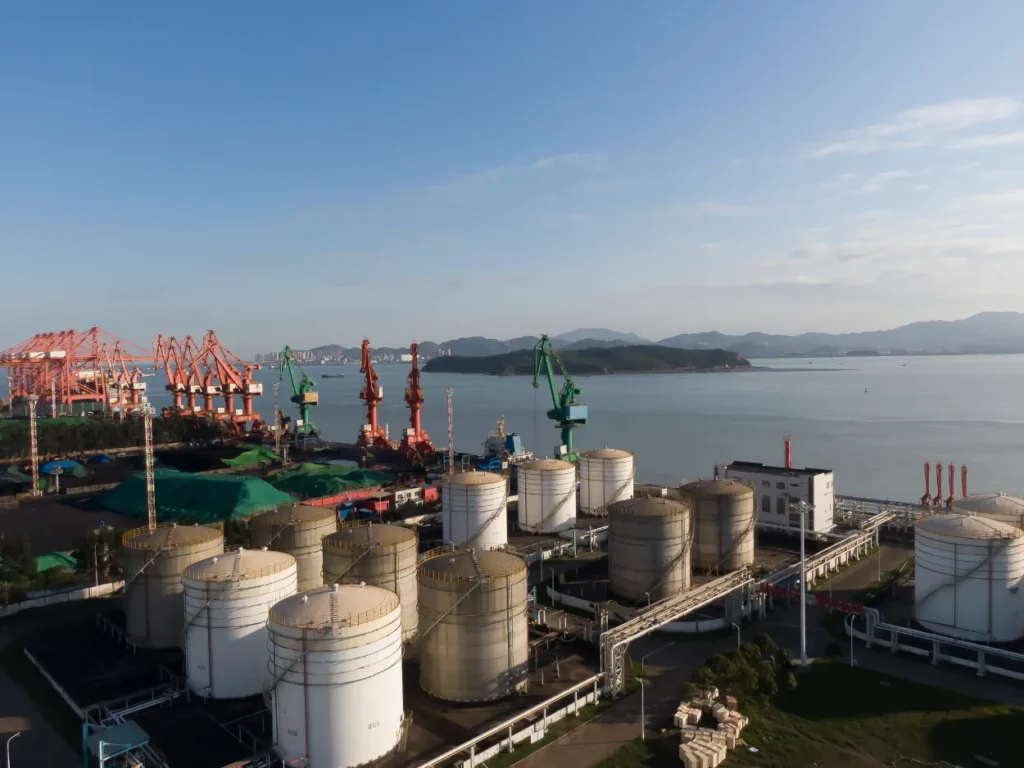
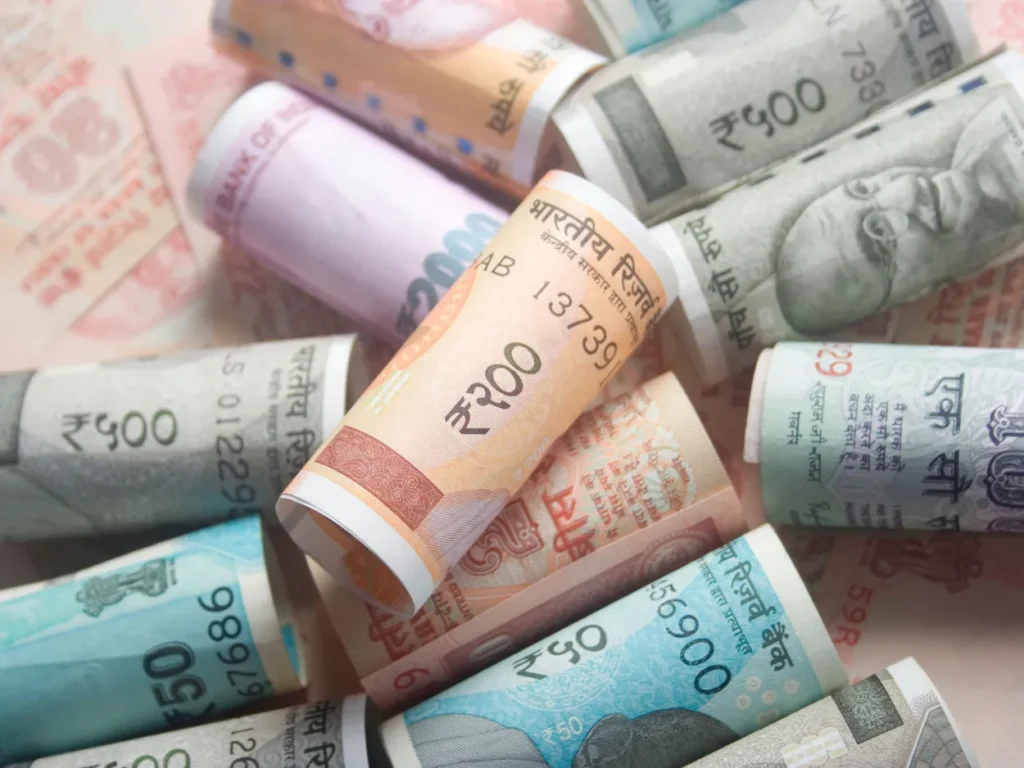
It’s a no-brainer that energy is the backbone of every germane sector in a rising economy like ours. The government banned flights from China as early as January 2020, which is clear evidence that the threat was seen on the horizon long before it hit. According to an IEA report (Feb. 2021), India’s energy use has doubled since 2000, with 80% of demand still being met by coal, oil, and solid biomass. Mammoth industries like transport, real estate, infrastructure, and agriculture consume oil at an alarming pace, most of which is imported.
Natural gas, another energy source for cooking and some sophisticated industries, is either imported or used very judiciously due to fragmented supply. Now, a dilemma-stricken government is imposing loping taxes on these energy essentials. This arguably is the fastest way to recover the loss of revenue to the central exchequer but creates bigger problems as the policymakers, on one hand, have to support industries that lost significant revenues (meaning less tax collection) and, on the other hand, sympathize with the common middle-class voters who lost near and dear ones and now bear the excruciating burden of taxes.
2. Stop Hypocritical Hoarding
An ‘India Today’ report exposed that the chief of Reliance Industries Limited (you know who) earned a staggering ₹90 crores every hour during the lockdown last year. Yes, you read it right. While the country was toiling, confused, and in despair, the man added upward of $40 billion to his wealth.
Coincidentally (wink wink), RIL acquired a textile company that manufactured PPE kits, masks, etc., when India stopped export. The company needed three months to ramp up its capacity to manufacture a million kits daily and, at the same time, the ban was lifted (coincidence?). The cases of hoarding these essentials were rampant throughout the country, but due to ‘corporate greed,’ millions were exported while the remote corners of the country were in dire shortage.
Similarly, when RIL acquired Hamleys (a toy-making company), the import of foreign toys was restricted. Jio Platforms saw massive investments from tech giants like Facebook and Google, while Indian telecom rivals were cornered. RIL acquired Netmeds (an e-pharmacy) when the world needed a vaccine supply chain, and now has overtaken Future Group’s FMCG business (Big Bazaar), making them a major controller of India’s food distribution network.
The economic concept of ‘monopoly’ is very dangerous for any industry, but RIL seems to be successfully operating monopolies in multiple sectors. The government should seriously consider this as an alarming scenario as so much power vested in a private entity is perilous, especially during a pandemic, given the fact that they control oil (main business is refining) and employ half a million people.
3. CASH IT OUT
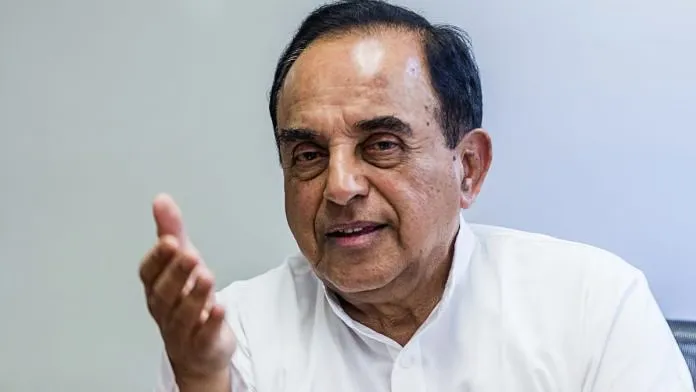
Legendary economist, policymaker, and politician Dr. Subramanian Swamy exclaims that, “India does not have a supply problem, it has a demand problem.”
Let’s think about it. Millions of people lost their jobs, thousands lost their breadwinners, and hundreds of MSME businesses closed shop. Anyone with the remotest economic sense can infer that when people don’t earn, they can’t spend. When there is no spending, stocks pile up, eventually production halts, and people are fired.
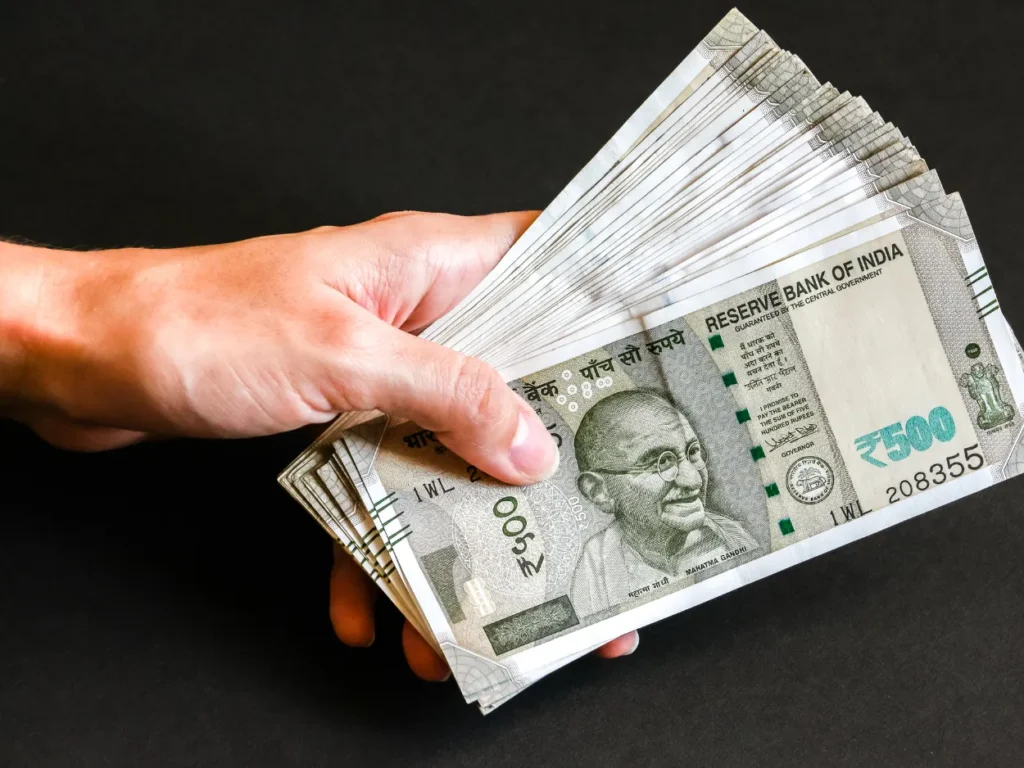
Now, when the middle class and BPL populace of India couldn’t spend, the whole economic engine came to a halt. The only way out was (and is) to directly transfer cash into the hands of the aforementioned populace.
I understand that the neo-economic logic is averse to printing more cash, as it leads to inflation (ooh, look at what the Germans did in 1929), but Keynes’s General Theory of Employment, Interest, and Money very subtly discards this fear, given the condition that excess printing of money is equally complemented with massive infrastructure projects (capital investment) or leads to breakthrough innovations.
Now the decision is easy for policymakers:
On the other hand, I have undeterred faith in the entrepreneurial spirit of Indians, who will surely rise to the occasion and add value in bringing this huge economic engine back on the highway, literally.
Conclusion
It is easy to gauge the effects of an event when it has already happened. But some economic realities are undeterred by anything, including a pandemic.
Economic prosperity is also one of the key parameters (indicators) in determining the Gross National Happiness Index.
"Having a politician (here, policymakers) who doesn’t understand economics is like hiring an engineer who doesn’t believe in gravity to build a plane."
Charlie Munger
Originally written by Gurshan on 29 March 2021